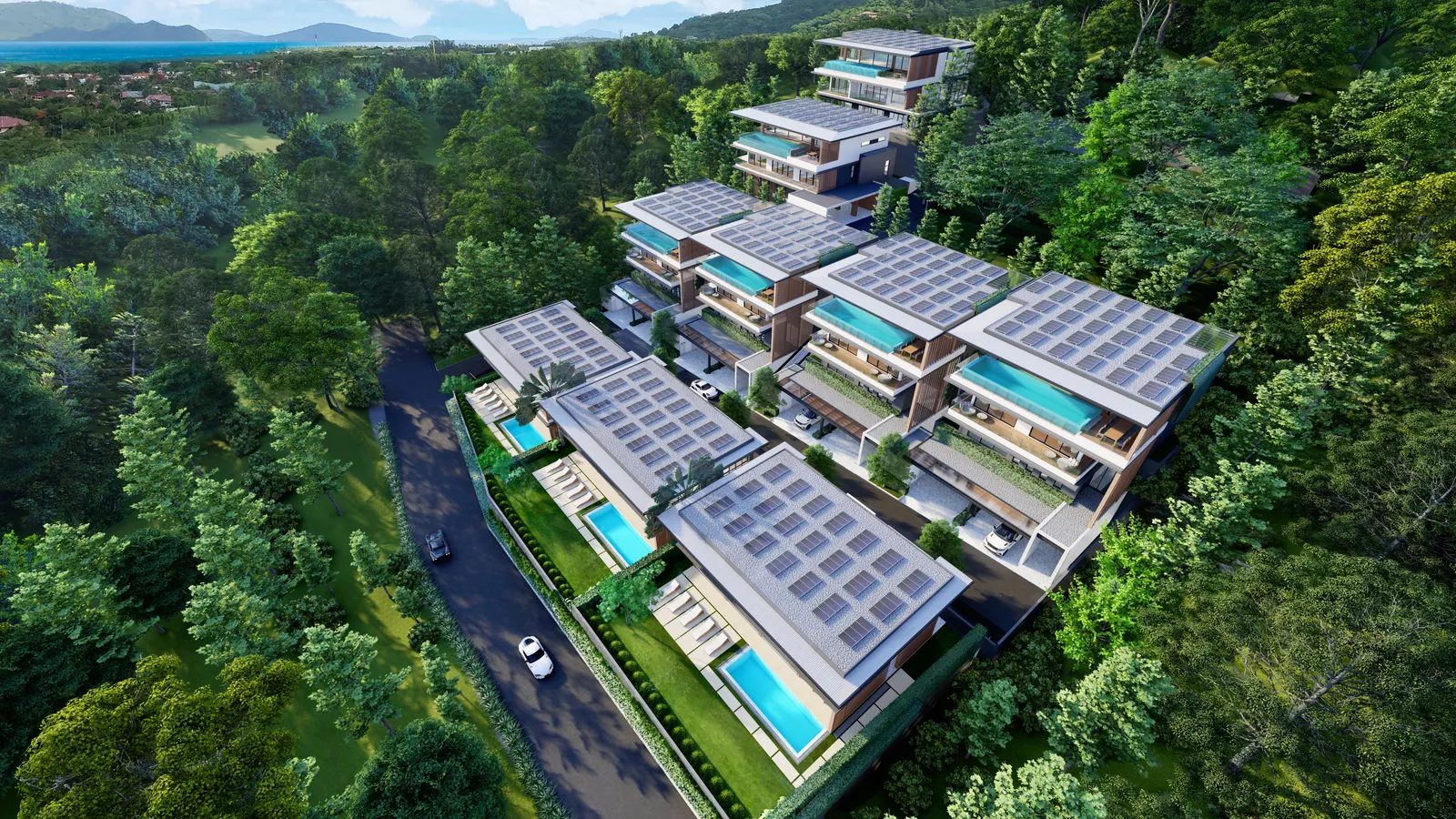
Layan Verde, Phuket: Thai Government BOI-Certified — Full Fee Schedule, Leasehold vs Freehold Compared
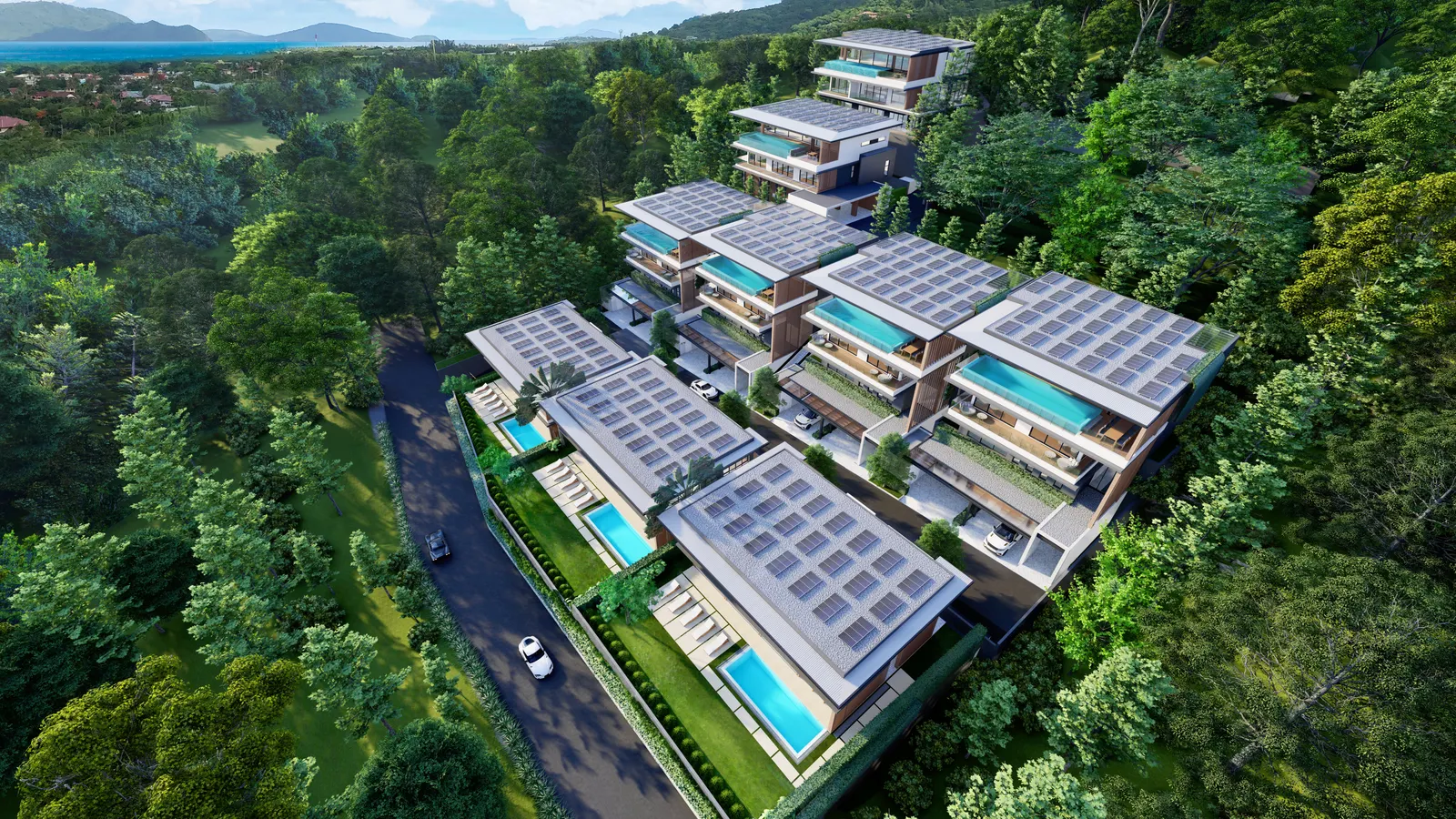
Why this matters
BOI approval is a real regulatory filter, not marketing language — Thailand doesn't grant it automatically. For a foreign buyer, it's a useful independent signal that the project has passed a level of government scrutiny most developments don't undergo.
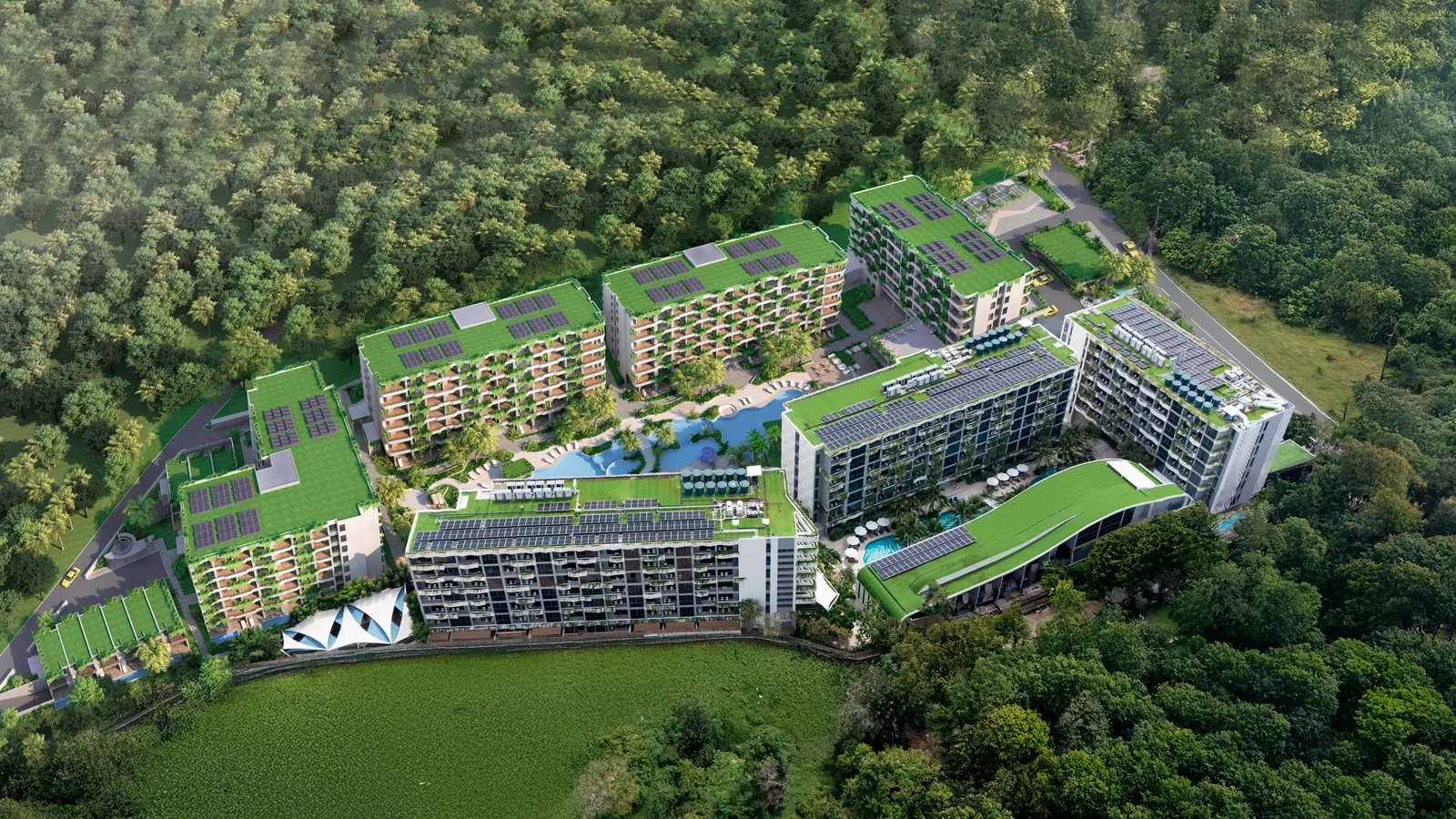
Project details
Managed by Dusit International (Thai hospitality group). Two payment structures offered: 100% upfront, or installment plans (50% or 35% down) with payments every 6 months through 31 December 2028; all additional payments are due on construction completion.
Full ownership fee schedule (per unit category — Люкс/Luxury: A2, A3, A4, A5; Премиум/Premium: B2, B3, B9, B4, B8):
- Annual service charge: 75–100 THB/m²/month depending on category, paid as a yearly advance
- Sinking fund (capital repair fund): 850 THB/m², one-time, paid at title registration
- Furniture package (full): 10,000–13,000 THB/m² depending on category
- Leasehold registration: 1.1% of purchase price, paid every 30 years
- Freehold registration: 2% of purchase price, paid once at title registration by the buyer
- Utility meter deposit and installation (2 water, 1 electricity): 15,000 THB flat
Remote purchase process: the developer states over 20% of their sales are completed remotely, via a four-step process (agree terms → reservation agreement + booking payment → main contract + contract payment → deal completion), described as legally equivalent to an in-person signing.
Frequently asked questions
What does BOI certification actually mean for a buyer?
It's an official Thai government approval (Board of Investment) confirming the project is treated as strategically significant. Practically, it lets the developer own the underlying land (unusual for foreign-facing hospitality projects), speeds up visas for foreign staff, and simplifies repatriating profits abroad — all factors that reduce operational and legal risk for the project as a whole.
Should I choose leasehold or freehold?
The cost structure differs: leasehold registration costs 1.1% of the purchase price but is paid every 30 years, while freehold registration costs 2% but is paid once, at title registration. Which is better depends on your holding-period plans — worth running both scenarios against your own timeline.
Can I complete the purchase without traveling to Thailand?
Yes — the developer states over 20% of sales are completed fully remotely, through a four-step process they describe as legally equivalent to signing in person.